There are many possible variations in the choice of the style, the garments and the details of a suit. Of course, during your appointment at De Oost we will make sure you make the right decisions. This will result in an exactly right fitting suit, that has all the details you have asked for. To give you an impression of all the possible options, we will share some of our knowledge in this blog.
The Cut
The silhouette of a suit is its outline. Tailored balance created from a canvas fitting allows a balanced silhouette, so a jacket does not need to be buttoned and a garment is not too tight or too loose. A proper garment is shaped from the neck to the chest and shoulders to drape without wrinkles from tension. Shape is the essential part of tailoring that often takes hand work from the start. The two main cuts are:
Double-breasted suits, a conservative design with two vertical rows of buttons, spanned by a large overlap of the left and right sides.
Single-breasted suits, in which the sides just meet at the front down a single row of buttons.
Double-Breasted
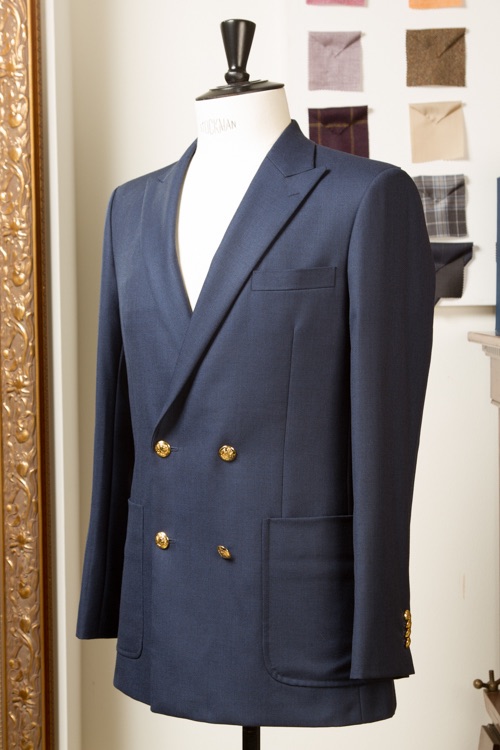
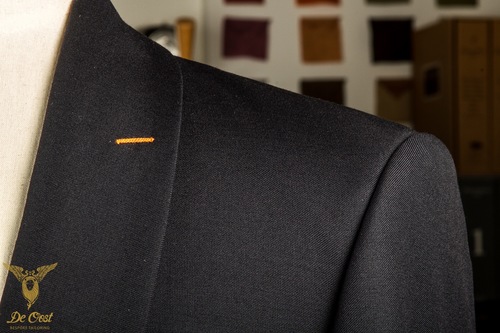
Double Breasted Unlined Hopsack Sports Jacket. .
The term double-breasted refers to a coat or jacket with wide, overlapping front flaps and two parallel columns of buttons or snaps. In modern double-breasted coats, one column of buttons is decorative, while the other functional. The other buttons, placed on the outside edge of the coat breast, are either decorative (non-functional) or functional, allowing the overlap to fasten reversibly, right lapel over left lapel.
To strengthen the fastening, a functional inner button, called the jigger, is usually added to parallel fasten the over-lapped layers together from the inside. The original double-breasted jacket has six buttons, with three to close. This originated from the naval reefer jacket. The four-button double-breasted jacket that buttons at the lower button is often called the “Kent”, after the man who made it popular—the Duke of Kent.
Single-Breasted
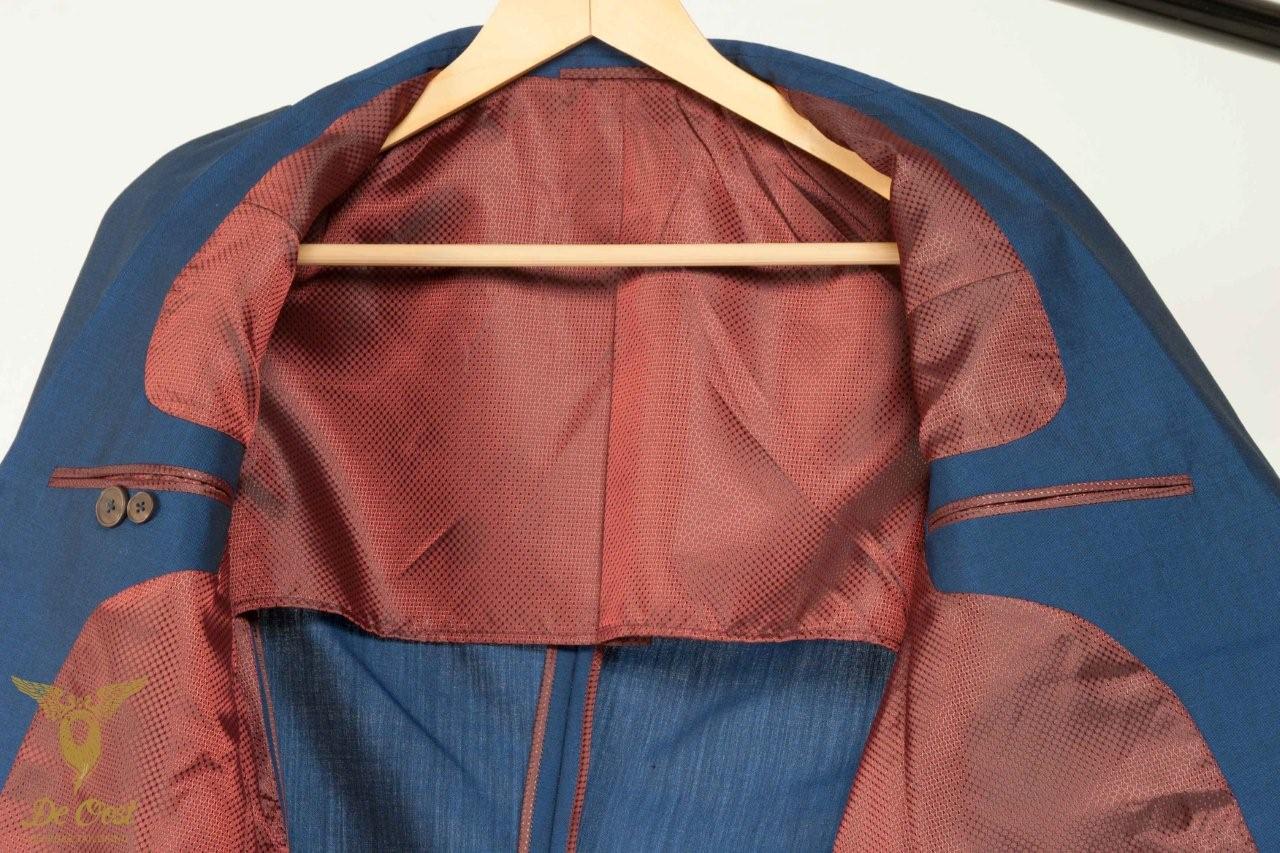
Single-Breasted Blue Mohair Suit. Click here to see the complete portfolio.
The term single-breasted refers to a coat, jacket or similar garment having one column of buttons a narrow overlap of fabric. In contrast, a double-breasted coat has a wider overlap and two parallel rows of buttons. Single-breasted suit jackets and blazers typically have two or three buttons (jackets with one or four buttons exist, but are not common), and a notch lapel.
However, from the 1930’s onwards, peaked lapels, often on a single button jacket, have been variably in fashion, and this is now a classic. The width of the lapels is one of the most changeable aspects of this jacket, and narrow peak lapels on single-breasted jackets became popular during the 2000’s. Good tailoring anywhere in the world is characterised by strongly tapered sides and minimal shoulder, whereas often rack suits are padded to reduce labour. More casual suits are characterized by less construction and tailoring, much like the sack suit is a loose American style.
Jacket Buttons
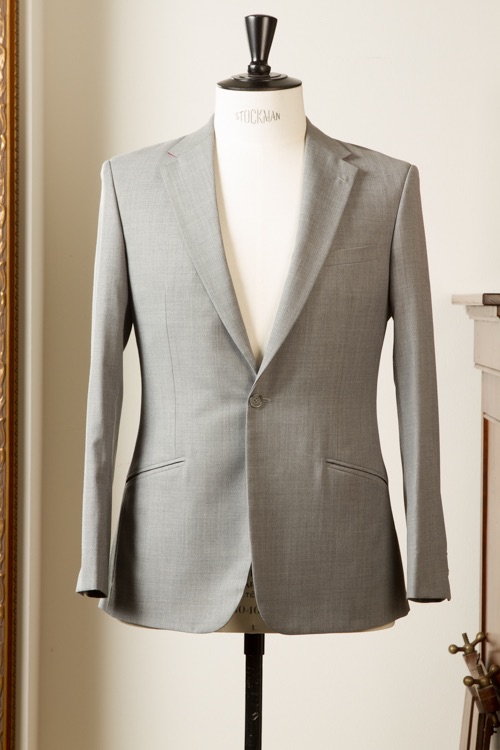
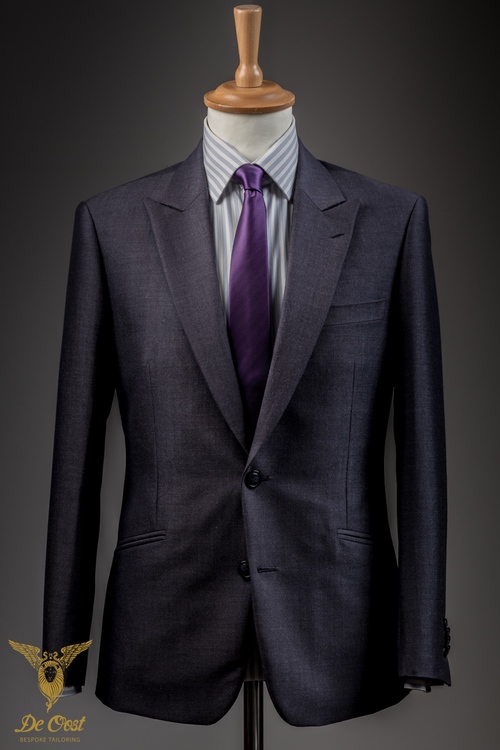
One Button. 1-button Mid Grey Jacket.
Two Buttons. 2-Button Blue Sharkskin Suit With Champagne Lining.
Three buttons. 3-button Classic Wedding Suit Full Canvas French Cavalry Blue.
Most single-breasted suits have two or three buttons, and one or four buttons are unusual. Placement and style of buttons are critical to the overall impression of height conveyed by the jacket. The centre or top button will typically line up quite closely with the natural waistline. Double-breasted jackets have only half their outer buttons functional. The second row is for display only, forcing them to come in pairs. Rare jackets can have as few as two buttons, six buttons are typical, with two to button; the last pair floats above the overlap. The three buttons down each side may in this case be in a straight line (the ‘keystone’ layout) or more commonly, the top pair is half as far apart again as each pair in the bottom square. A four-button double-breasted jacket usually buttons in a square. The layout of the buttons and the shape of the lapel are co-ordinated in order to direct the eyes of an observer. For example, if the buttons are too low, or the lapel roll too pronounced, the eyes are drawn down from the face, and the waist appears larger.
Jacket Lapels
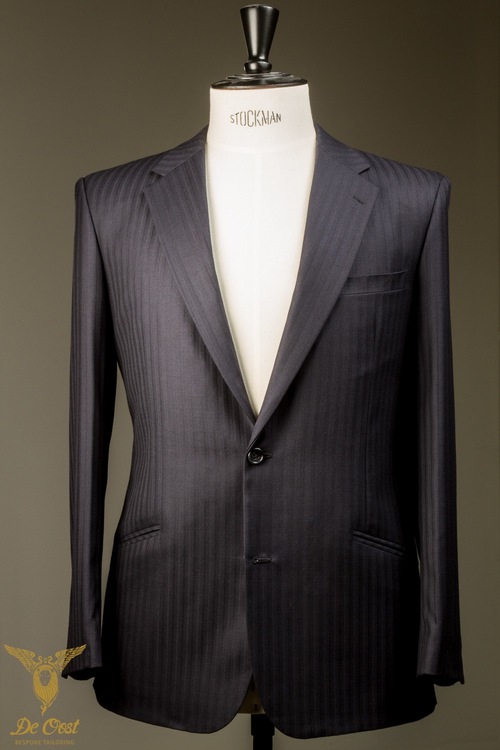
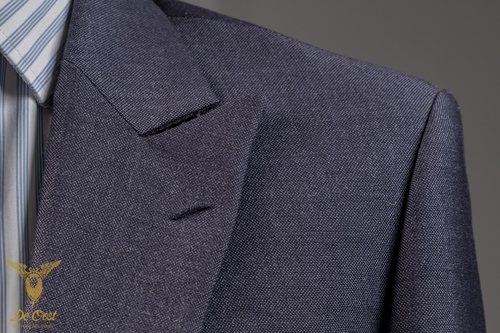
Jacket lapels are the folded flaps of cloth on the front of a jacket or coat, and are most commonly found on formal clothing and suit jackets. Usually they are formed by folding over the front edges of the jacket or coat and sewing them to the collar, an extra piece of fabric around the back of the neck. There are three basic forms of lapels: notched, peaked and shawl. Notched lapels, the most common, are usually seen on business suits. Peaked lapels are more formal, and nearly always used on double-breasted jackets or coats. Shawl lapels are even more formal and you will hardly ever see this kind of lapels on anything other than dress wear.
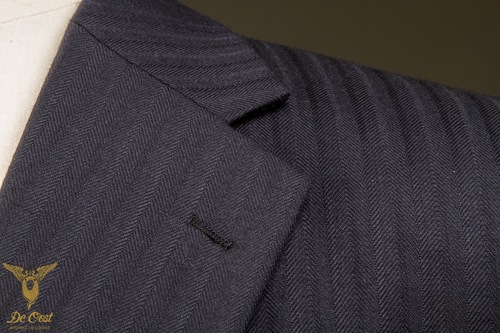
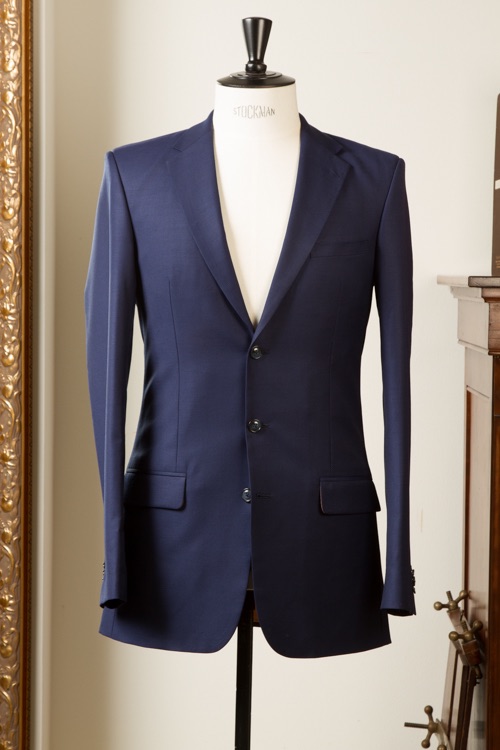
Notched Lapel. Navy Herringbone suit with notched lapels, slanted pockets, purple lining and three kissing buttons.
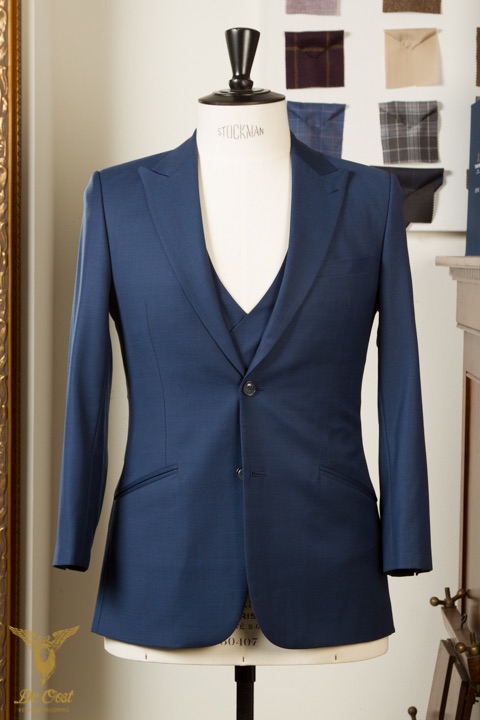
Peak Lapel. Mohair Suit Steel Blue 2 buttons peak lapels slanted pockets.
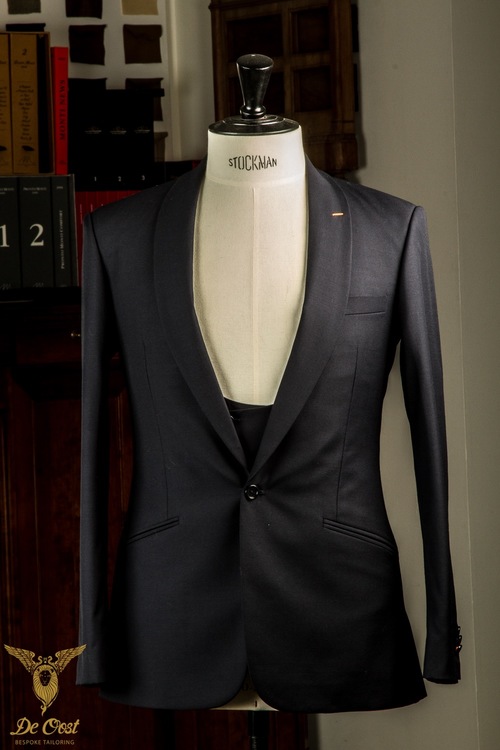
Shawl Collar. 1-button contemporary suit jacket navy blue with shawl collar slanted jetted pockets and 3*2 waistcoat.
In case that you choose to have a garment tailored by De Oost, everything is possible. The parts of the suit covered in this blog are mentioned to give an impression of the possibilities. In case you have a question about a specific desire, do not hesitate to give us a call (+31-(0)20-6815792).
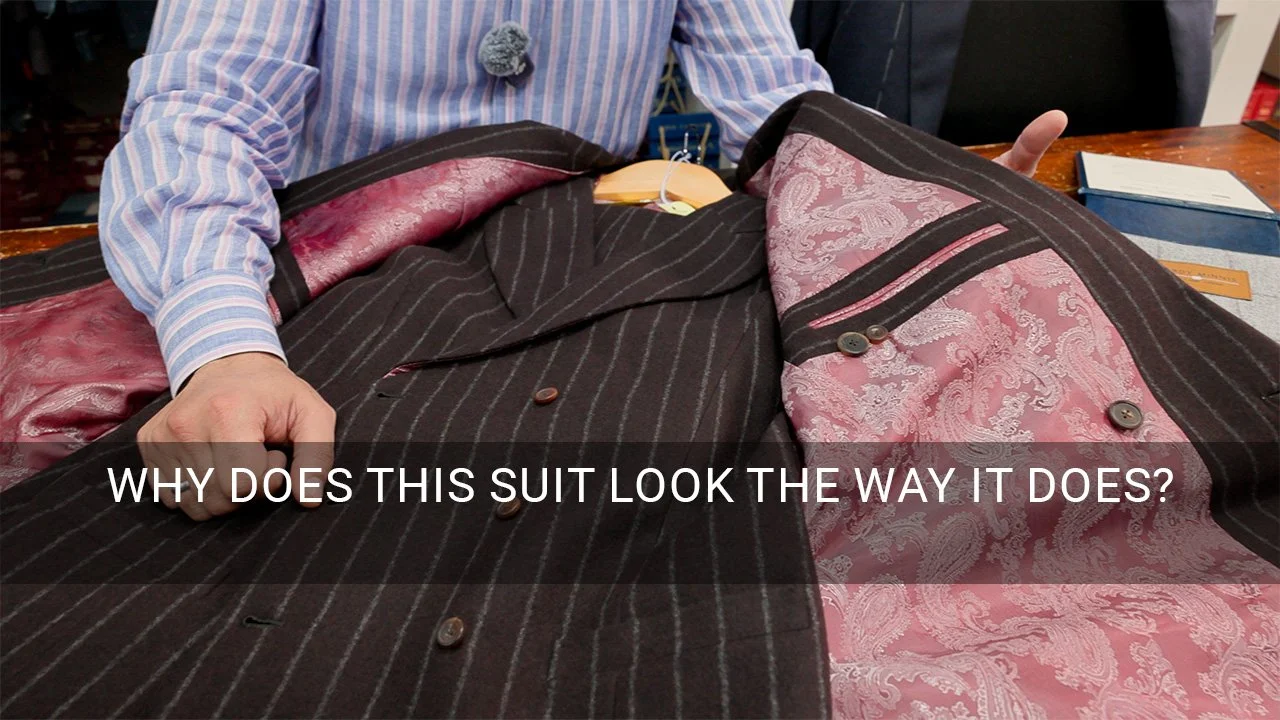
Do you dress yourself, or do you buy clothes?
In our atelier we regularly receive requests to copy items. These are often garments that people have owned for years and that are no longer available in stores. You notice that a lot of quality clothing that used to be readily available in retail simply no longer exists. This is because quality products require a great deal of time, money and expertise.
Unfortunately we must conclude that we live in a zeitgeist where it is no longer about dressing people but simply about selling textiles with a whole lot of marketing. The result: poorly made and fitting clothing at a far too high price.
In this video you see how it can also be done, after years of wearing a jacket, we copy it (simply) so that the favourite garment can often be realised with improvements, gained through the progressive insight that comes from years of wearing it.
Introduction
In a world where “tailor made” increasingly means: “we take your measurements and modify a standard pattern,” the baste fit has almost disappeared.
Too expensive. Too time-consuming. “No longer necessary with modern techniques.”
But for anyone who truly understands what bespoke tailoring means, the baste fit is not optional. It is the moment when a suit transforms from a collection of patterns and cloth into a garment built around your unique body.
In this article, I take you through my own baste fitting — not as an expert, but as a client with a challenging body: a stomach, uneven shoulders, and a specific arm rotation.
Amy, our tailor, explains what she sees, why she corrects, and how she makes my body perform at its best inside a suit.
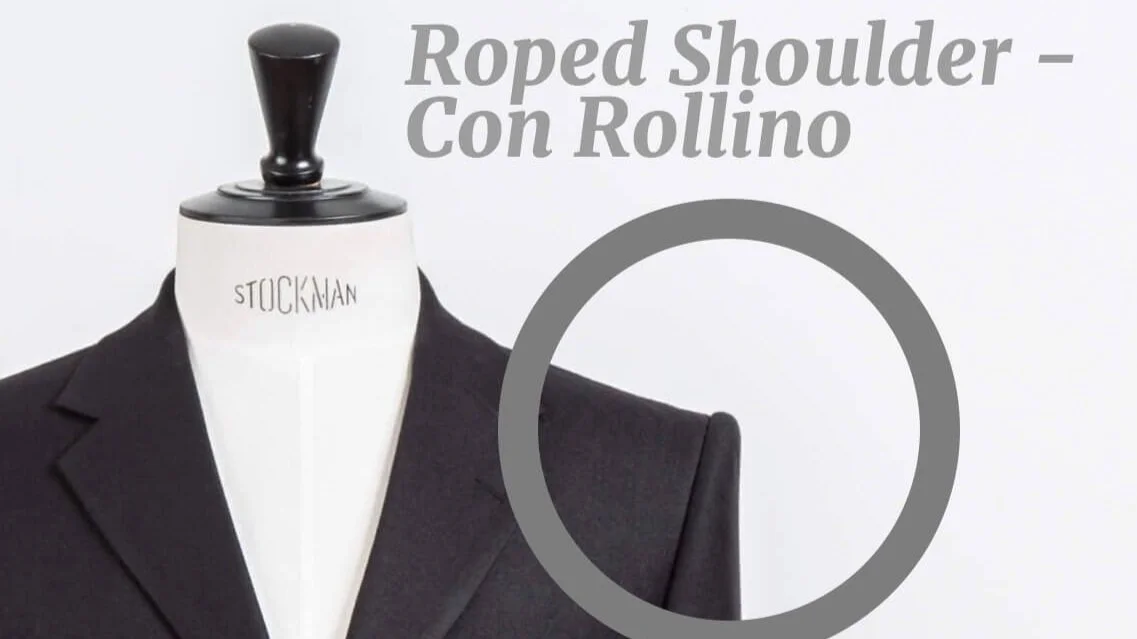
The shoulder line of a suit or jacket is one of the most defining elements of its appearance and fit. A subtle difference in construction can make a jacket look structured and formal or relaxed and natural. That’s why choosing a shoulder style is essential for anyone investing in a bespoke suit.
In bespoke tailoring, everything revolves around the balance between comfort, style, and the desired look. The way a shoulder is constructed influences not only the appearance of a suit but also how it feels and how it accentuates the wearer’s body shape. In this article, we discuss three commonly used shoulder styles: the Classic Shoulder, the Rope Shoulder, and the Spalla Camicia. We explain how they are constructed, what kind of look they create, and which styles or body types they suit best.
Working with a checked fabric, such as a camel-colored worsted flannel with a check pattern, demands craftsmanship and extra attention from the tailor. Carefully aligning the checks across seams and transitions is essential for a harmonious and professional final result.
Precise Pattern Placement and Cutting
To ensure the checks align perfectly, the pattern pieces must be placed with extreme precision on the fabric. This often means laying the fabric out single-layered rather than folded, giving the tailor full control over the placement of the pattern on the cloth.
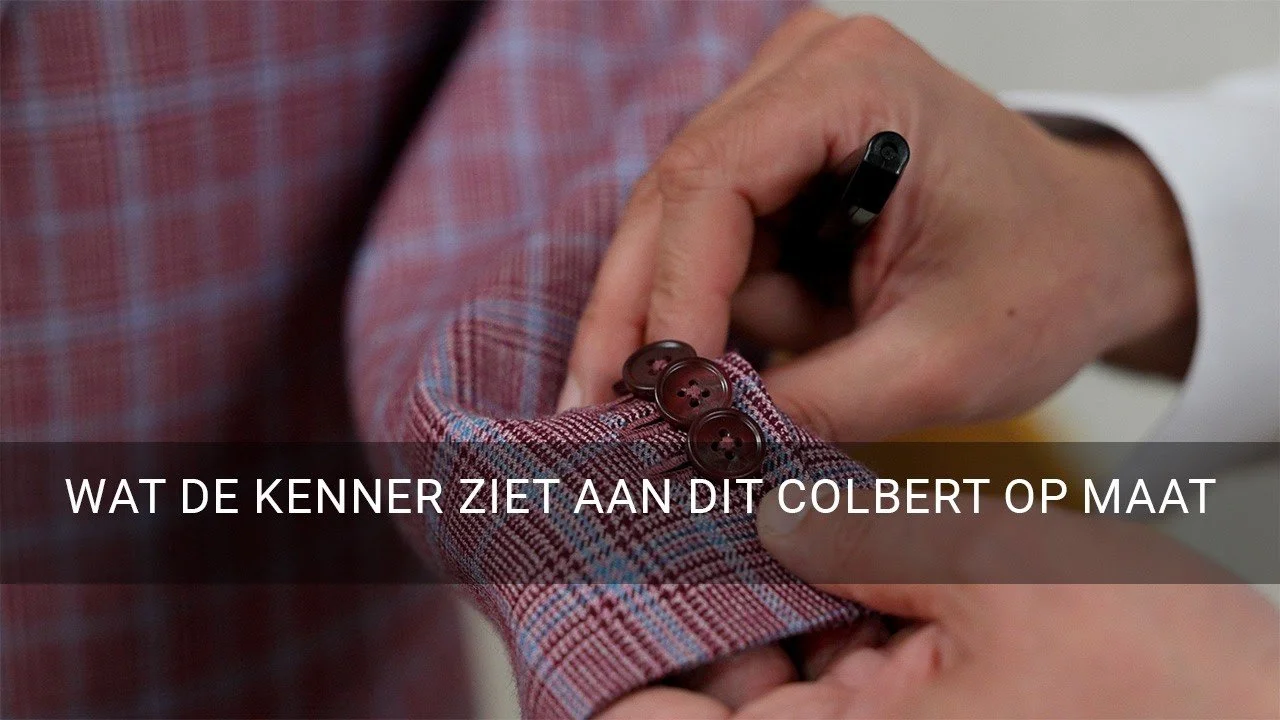
The buttons on a jacket sleeve are more than mere decoration; they tell a story of style, craftsmanship, and tradition.
Below you’ll find a comprehensive guide to the different aspects of sleeve buttons – including their origins, variations, and what they reveal about a jacket’s quality.
The construction of a tailored suit is the hidden foundation that determines how your suit looks, how comfortable it feels, and how long it lasts. While the exterior – the fabric and the design – often receives the most attention, the true value of a tailored suit lies in its construction.
In this article, you’ll discover the differences between Full Canvas, Half Canvas, Unlined, and Fused constructions. We’ll delve deeper into the techniques, advantages, and limitations of each method, and how they shape the quality of your suit.
We’ll also guide you through the craftsmanship behind setting the canvas – the heart of a high-quality suit.
In the world of bespoke tailoring, there are many techniques that set a custom-made garment apart from mass-produced clothing. One of these specialized methods is pad stitching — an essential hand-stitching technique that brings structure, shape, and character to tailored pieces. Although it often goes unnoticed once the garment is complete, pad stitching plays a critical role in the fit and feel of a well-made suit, jacket, or coat.
The making of a bespoke suit is a process that revolves around precision, craftsmanship and personal attention. At De Oost Bespoke Tailoring we do everything we can to create clothing that not only fits perfectly, but also reflects your style and personality. Below you can read step by step how we make your suit in a traditional way.
Conductors worldwide rely on custom-made clothing to support them in every movement, from the first beat to the thunderous finale. A conductor’s suit has specific requirements: it must look representative and stylish, yet withstand intensive use. This requires tailoring at the highest level, where functionality and elegance go hand in hand. At De Oost, we combine these elements to create a suit that is as comfortable as it is durable, specially designed for the unique needs of orchestra conductors.
In the world of consultancy, especially at the top, it’s all about trust, reliability, and presence. This custom-made bespoke suit was crafted for a client working at KPMG, who frequently travels to England for board meetings. In the United Kingdom, wearing a high-quality, handmade suit at executive level is more of a rule than an exception, unlike in the Netherlands. Our client seeks a suit that effortlessly handles every situation, is stylish without frills, and exudes a strong, confident presence.
When it comes to custom or bespoke suits, the details truly make a difference. One of the most notable features that set custom suits apart from off-the-rack options is the armhole construction. A higher and smaller armhole is a hallmark of superior tailoring. But why is this the case?
In this post, we'll explore the reasons behind this design choice and how it enhances both the fit and comfort of custom-made suits.
Lees dit artikel in het Nederlands
Introduction
When it comes to style and appearance, there’s nothing quite like a bespoke suit. The process of having a suit tailored to your exact measurements, preferences, and lifestyle is a unique journey that goes far beyond simply purchasing a garment. At our bespoke tailoring house, we believe in the transformative power of a well-fitted suit and the importance of the journey we take together with our clients.
Lees dit artikel in het Nederlands
When you have your bespoke suit made to measure, your measurements are taken and then translated onto a paper pattern.
Patterns are the difference between bespoke suits and made-to-measure suits
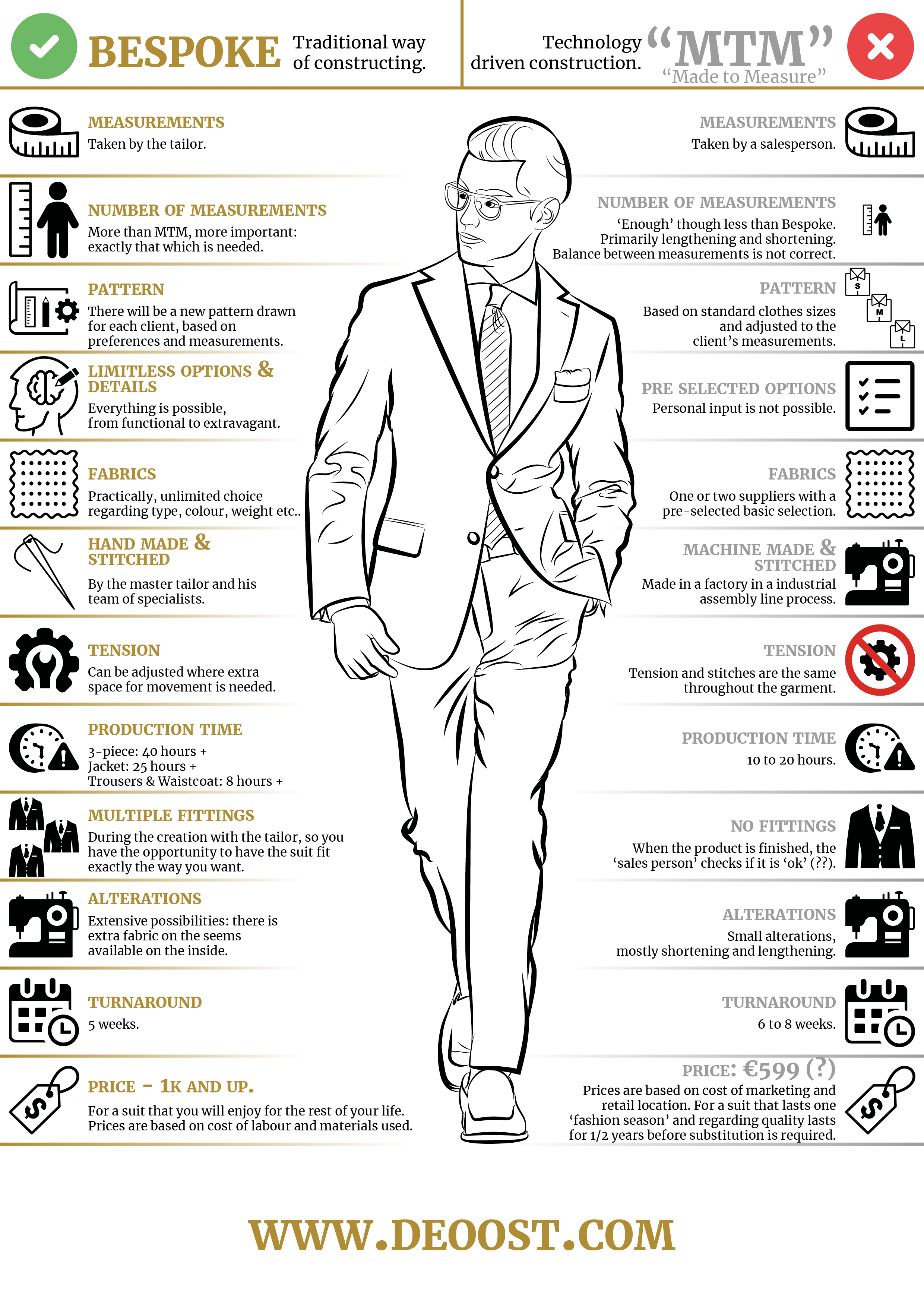
For bespoke suits, this pattern is made per customer based on individual sizes and wearing preferences. Think about space to move around, so you can create the ideal and desired fit. Made-to-measure works with a standard pattern that is adjusted. You will then not have the ideal fit because you have to work with fixed margins and you will lose the balance between the sizes.
Lees dit artikel in het Nederlands
In the current world of fake news we even see that the art and craft of bespoke tailors sometimes is being scrutinized by marketeers and sales driven clothing brands. This creates a devaluation of dress styles with the modern gentleman.
Lees dit artikel in het Nederlands
A truly well-made and fitting (wedding) suit starts with personally taken measurements.
Measuring can be seen as a dialogue between the tailor and client.
This way you ensure that the suit fits well, looks good and is comfortable to wear. The personal measurements really make the big difference between a (wedding) suit off the rack and a tailor-made suit.
Lees dit artikel in het Nederlands
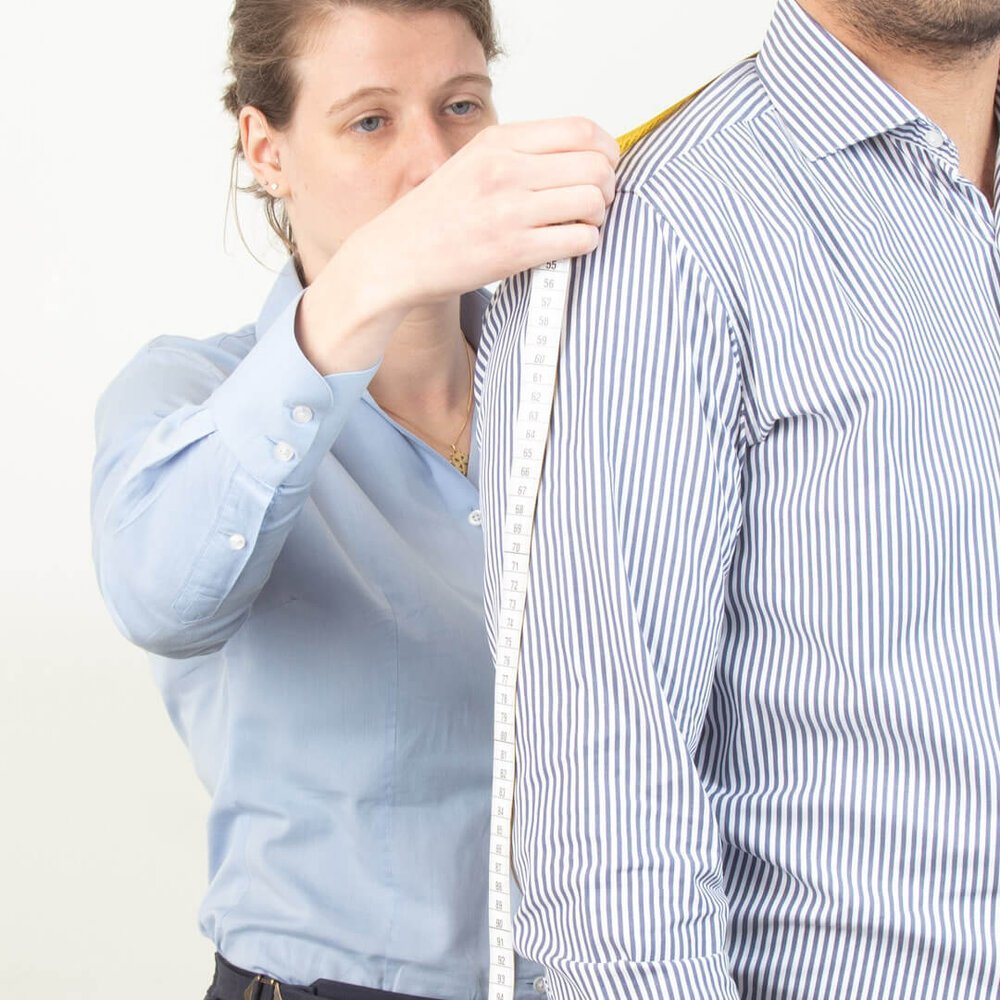
Taking measurements is one of the most important steps when you want to have a tailor-made suit made
The measurements you have taken for your tailor-made suit form the basis for drawing your pattern and further assembling your suit.
The measurements are used to define your personal measurements and fit. So, important.
Measuring is done with a centimeter on the body when you have your suit made bespoke, and that is the correct traditional way of making a suit.
I need to have a new suit fitted myself, so we have put this measuring process on the video so that you know what to expect when you want to have a tailor-made suit made yourself.
Lees dit artikel in het Nederlands
A good suit, what are its features?
A well-made suit has a number of features that, apart from the fit, make it easy to distinguish it from less well-made suits such as Made-to-Measure suits. The details of a handmade bespoke suit are easy to recognise and quite obvious when you know what to look for. So let's see what are the points to recognise a well-made suit.
Lees dit artikel in het Nederlands
Why Should I Choose a Bespoke Tailored Suit?
Opting for a bespoke tailored suit comes with several advantages. Here are 10 + 1 reasons why you might consider having a bespoke suit made:
Perfect Fit: A bespoke suit is crafted to perfectly fit your body shape, providing unmatched fit and comfort.
Personalization: You have the freedom to personalize every aspect of the suit, from the choice of fabric to the buttons and lining.
Quality Craftsmanship: Bespoke suits are handcrafted by experienced tailors, resulting in superior quality and finish.
Lees dit artikel in het Nederlands
What is an unlined blazer or jacket?
An unlined blazer has no lining on the inside of the jacket and/or sleeves. There are various ways to assemble and finish a blazer. Here, we specifically refer to the inner workings, and in the case of unlined jackets, the absence of an inner lining, eliminating the need for covering.
Lees dit artikel in het Nederlands
Made-to-measure garments generally have a better fit than garments produced to standard measurements. However, it still gets limited by a number of factors that affect fit, such as:
Measurement errors: When taking the customer's measurements, measurement errors may occur, which means that the final garments do not fit properly.
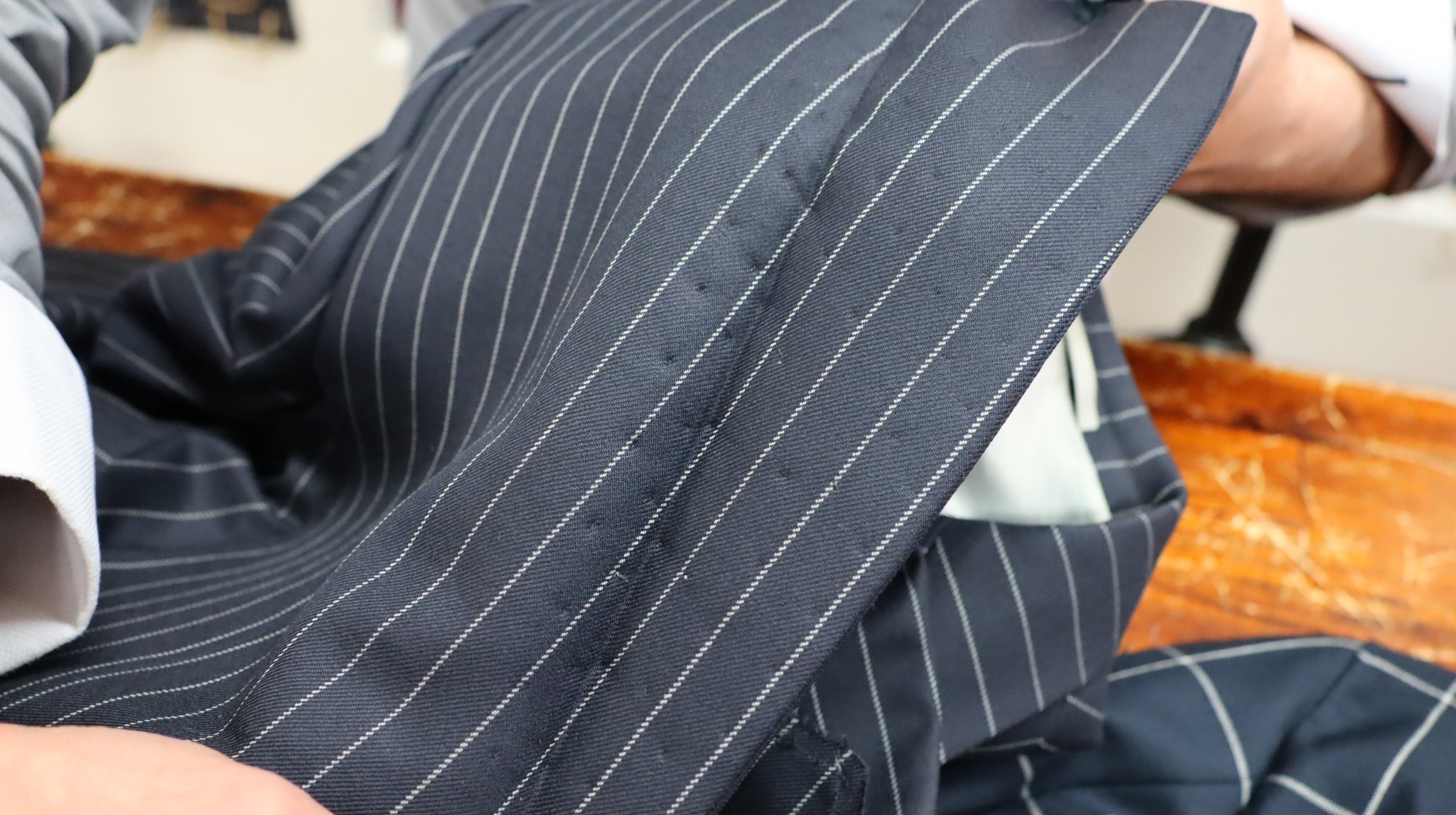
A blazer stripe is not for the faint of heart. Especially when the model is double breasted.
Let's take a little journey to go over this bespoke tailored suit and what it features and why.
There are three main categories of clothing: off-the-rack, made-to-measure, and bespoke
Off-the-rack clothing is standard produced clothing that is sold in the store. These clothes are made according to the standard measurements and designs and are readily available for purchase. Off-the-rack clothing is generally the least expensive option and offers limited options for fit and design.
A bespoke suit is always purely tailored for 1 specific client with many possible customizable options to make it more personal and exclusive
These options can be part of the construction method, which techniques are used to tailor the suit, and in the model and style options.
Below you will find a variety of ideas and possibilities regarding models and styles. We are an advocate for the finer details which are not directly perceptible but help to create an aura of ‘Understated Confidence’.
“The difference between something good and something great is in the details.”
Bespoke tailoring is a manner of clothing production whereby the design, the fit, the fabric and the details are entirely tailored to the wishes of the client.
Contrary to made-to-measure garments, which are based on existing patterns and sizes and have few and limited options for alterations, bespoke tailoring begins with a blanco sheet and every detail of the garment will be designed and altered to meet the client’s specific requirements.
Lees dit artikel in het Nederlands
Fit of MTM Suits vs Bespoke Suits
Naturally, a bespoke tailored suit represents the pinnacle of fit for the serious sartorial enthusiast and suit wearer. This is because all factors influencing the garment are perfectly tailored to your wishes and are in balance with each other. Between off-the-rack suits and bespoke suits lies the made-to-measure suit, which in the Netherlands is often sold as 'real tailor-made'. The moment you start critically examining it with an expert eye, you quickly see through this and find quite a few points for improvement in the fit.
There are 3 methods when you need to buy a new suit
1. RTW = Brands from the peg.
2. MTM = Made to Measure, often promoted and misused as genuine tailored suits. Nowadays the standard for a 'tailored suit'???? Or are you fooling yourself here?
3. Bespoke Tailoring = a suit made by a tailor by hand. All features are purely made for you with your purpose in mind.
Let's call this performance engineering for people who see their appearance as personal branding and don't settle for less.
In short you could say that Unlined or Unstructured jackets are the most natural fitting and draping jackets
Before we go into the benefits of an unstructured jacket, we need to do a short history lesson first. After WW2 the majority of men would wear a suit because they had to. Alongside that we have seen men who aspired to create their own success and businesses which led to different play fields with new dress codes and possibilities to express yourself with your personal style. Actually we could see them as the contemporary Dandy.
De Oost Bespoke Tailoring is a house of craft and passion so we can tailor using several ways of construction
This is a short explanation about the 4 common methods used by Bespoke Tailors.
Full Canvassed Jackets
Traditionally, men’s suits were constructed with a layer of horsehair canvas underneath the wool fabric shell. This canvas holds the shape of the suit and keeps it from sagging or deforming, much like the foundation of a house keeps it upright. The canvas is cut to the jacket’s shape, then the wool is stitched to the canvas. Over time, as you wear the jacket, the canvas conforms to your body’s shape, creating an excellent fit.
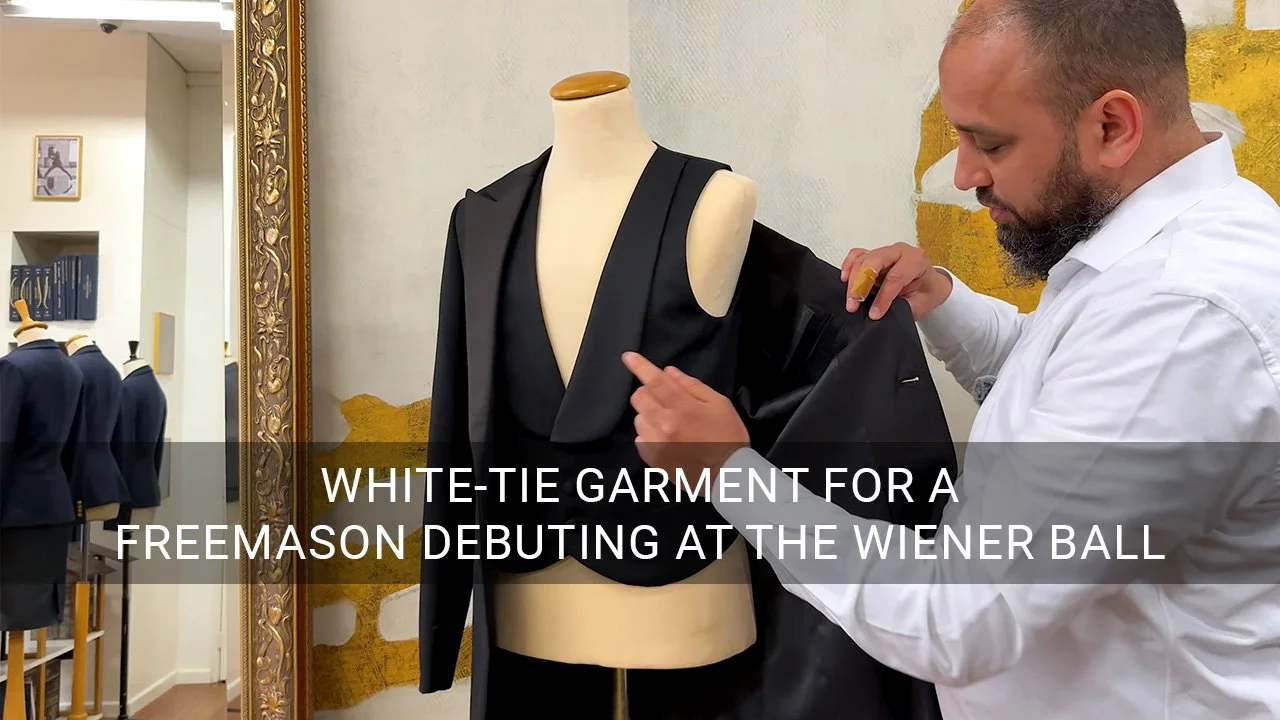
White-Tie Outfit for a Freemason Debuting at the Wiener Ball
For a Thai gentleman making his debut at the Wiener Ball in Vienna, we created a fully bespoke three-piece suit made to measure. A commission that demanded precision at every level, because the Wiener Ball is not just any gala evening. It is one of the most formal and most iconic balls in the world, where the dress code is taken seriously and every detail counts.