Lees dit artikel in het Nederlands
Made-to-measure garments generally have a better fit than garments produced to standard measurements. However, it still gets limited by a number of factors that affect fit, such as:
Measurement errors: When taking the customer's measurements, measurement errors may occur, which means that the final garments do not fit properly.


Changes in body shape: The customer's body may change over time which may lead to a change in the fit of the garment.

Limited measuring points: When taking the customer's measurements, only the most important measuring points are usually used, which means that any deviations in the body shape can be overlooked. A big difference when you have your clothing made bespoke is that specific body measurements are taken that not only match your measurements but also take into account your specific way of moving and in relation to the specific garment.
Choice of material: The material the garment is made of can also affect the fit. For example, fabrics that are less stretchy may not fit as well as fabrics that are more stretchy.
Production processes: The production process of made-to-measure clothing can also influence the final fit. If the production is not accurate enough, this can result in garments that do not fit properly. In addition, with Bespoke Tailoring you have a more extensive choice regarding the making of the garment.
In conclusion: What are the differences between Made-to-Measure and Bespoke Tailoring?
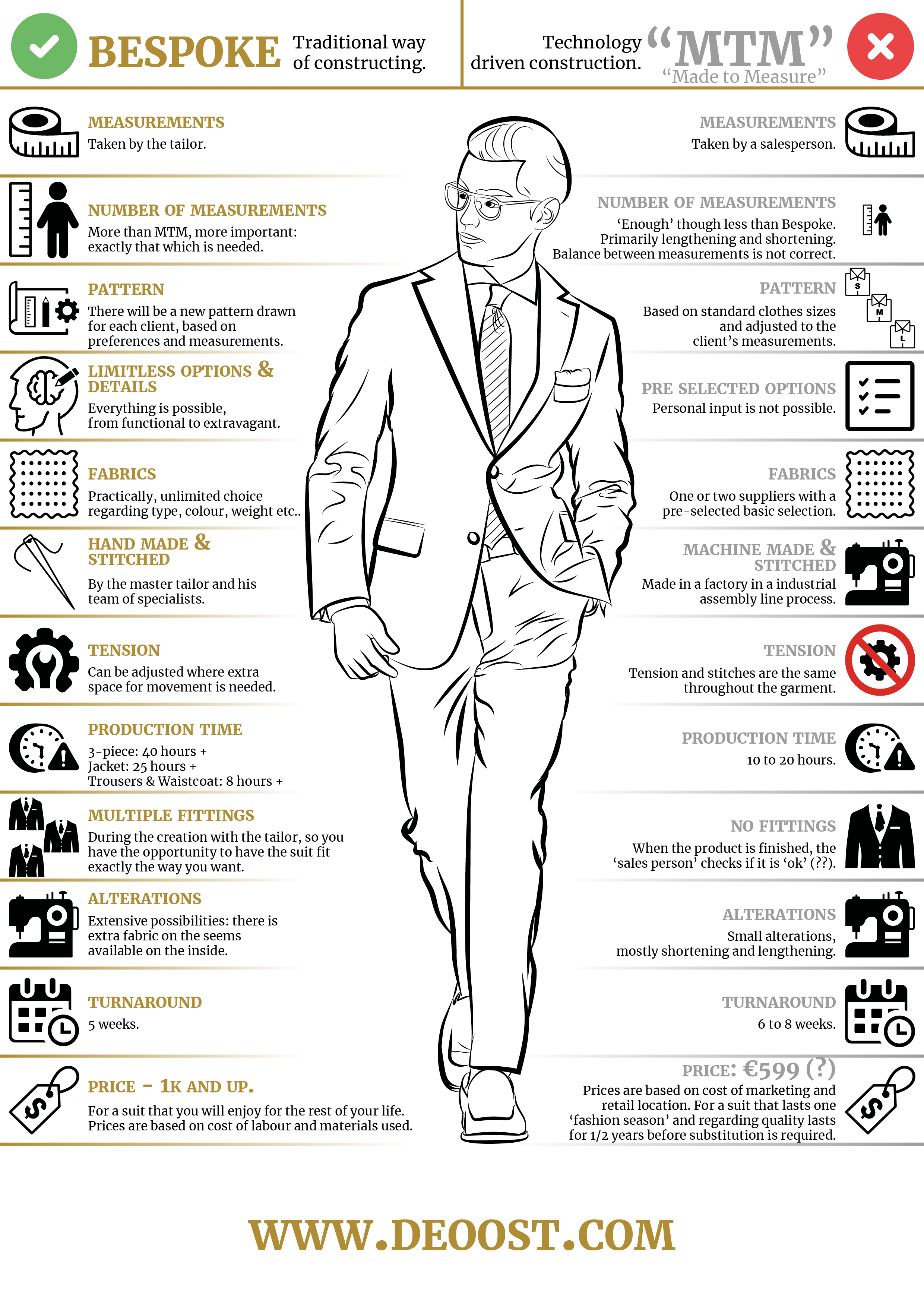
See below an infographic with a summary of the key differences between Made-to-Measure and Bespoke Tailoring.
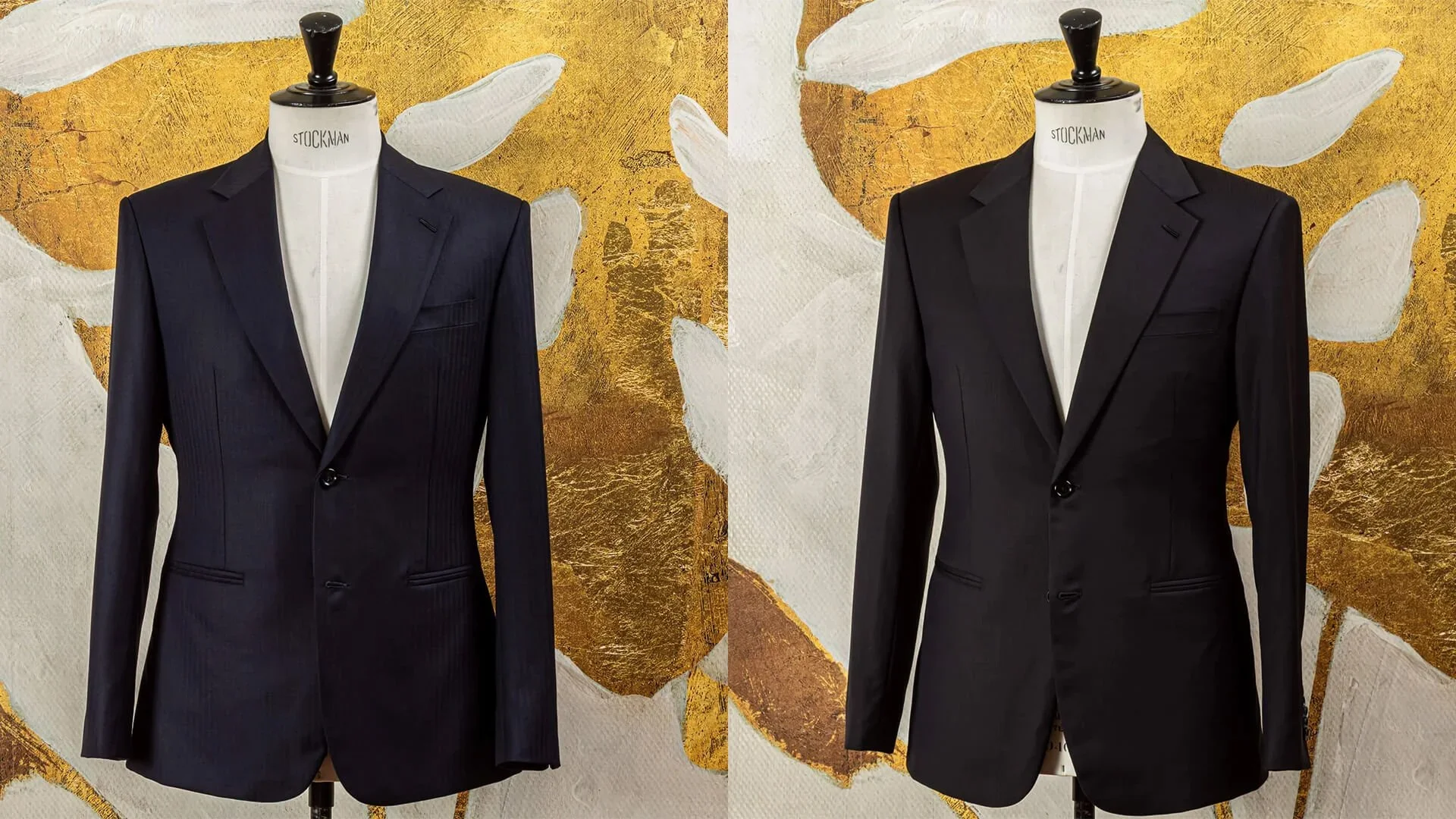


White-Tie Outfit for a Freemason Debuting at the Wiener Ball
For a Thai gentleman making his debut at the Wiener Ball in Vienna, we created a fully bespoke three-piece suit made to measure. A commission that demanded precision at every level, because the Wiener Ball is not just any gala evening. It is one of the most formal and most iconic balls in the world, where the dress code is taken seriously and every detail counts.