• Home
    • About De Oost
    • How we work
    • How We Make A Suit
    • Prices
    • The Construction And Make Of A Suit
    • Vacancy Tailor / Alterations Specialist Amsterdam
    • Make an Appointment
    • Advice & Consultation
    • Blog
    • Prices
    • Special Offers
    • Bespoke Suits: Classic - Formal
    • Bespoke Suits: Business Casual Suits & Jackets
    • Wedding & Groom Suits
    • Men's Bespoke Shirts
    • Formal Wear: Tuxedo - Morning Coat - Tailcoat
    • Trousers
    • Overcoats & Coats
    • Waistcoats & Vests
    • Clothing Alterations
  • Black Tie & Formal Wear
    • Ladies Suits & Jackets & Wedding Suits
    • Ladies Bespoke Shirts
    • Clothing Alterations
  • Fabrics
  • Clothing Alterations
  • Blog
  • NL
Menu

De Oost Bespoke Tailoring

179 (H) Bilderdijkstraat
Amsterdam, NH, 1053 KR
0031-20-6815792

Your Custom Text Here

De Oost Bespoke Tailoring

  • Home
  • About De Oost
    • About De Oost
    • How we work
    • How We Make A Suit
    • Prices
    • The Construction And Make Of A Suit
    • Vacancy Tailor / Alterations Specialist Amsterdam
    • Make an Appointment
    • Advice & Consultation
    • Blog
  • Prices
    • Prices
    • Special Offers
  • Men
    • Bespoke Suits: Classic - Formal
    • Bespoke Suits: Business Casual Suits & Jackets
    • Wedding & Groom Suits
    • Men's Bespoke Shirts
    • Formal Wear: Tuxedo - Morning Coat - Tailcoat
    • Trousers
    • Overcoats & Coats
    • Waistcoats & Vests
    • Clothing Alterations
  • Black Tie & Formal Wear
  • Ladies
    • Ladies Suits & Jackets & Wedding Suits
    • Ladies Bespoke Shirts
    • Clothing Alterations
  • Fabrics
  • Clothing Alterations
  • Blog
  • NL

The difference between woollen and worsted cloth

April 4, 2018 Jean-Paul Samson

The difference between

woollen
&
worsted Cloth

Make an appointment
Discover more fabrics

Every tailor is interested in the quality of the fabric they sell. The quality of the raw material partly determines both the type of the fabric and the quality of the finished cloth. The cloth is made by interlacing yarns in a definite order, and it is, therefore, the type and quality of the yarns which are of importance in considering the value of the cloth from the standpoint of its future use. To put the matter in a simple form: a woven fabric is a structure of interlaced yarns, and yarns are composed of fibres. The quality of the yarn is, therefore, our next consideration. For convenience, the factors which modify the quality of yarns may be classified as follows;

  1. The nature and type of raw material.

  2. The method of spinning the raw material.

  3. The numbers of turns per inch, or twist put into the yarn.

  4. The folding or ply of the yarns.

  5. Special treatments applied to the yarns.

Let us consider the above points in more detail.

1. Type of raw material


In practice the nature of the raw material determines not only the method of preparation and spinning of the yarn, but also the future use of the yarn. Thus long wools such as Lincoln and Leicester are spun for lustres, whereas botany/merino is spun into yarns for soft goods.

2. Method of spinning

1.jpg

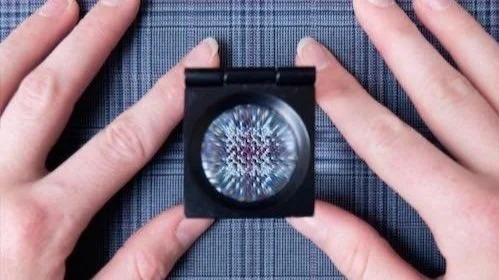
Very different results may be obtained from the same raw material according to the way the yarn is prepared and spun. For example, merino wool may be spun into a woollen or a worsted yarn, and the two yarns are quite different in appearance, handling and other properties. The worsted yarn will be smooth and compact, whereas the woollen yarn, although made of the same raw material, will be soft full and somewhat irregular.

3. The Twist


By varying the twist, or turns per inch of the yarn, the handle of the cloth may be changed. In any case the yarn must be given sufficient twist to hold the fibres together firmly. Warp yarns are given more twist than weft yarns to enable them to withstand the strain during the weaving process. Weft yarns require very little twist because there is very little tension on them during weaving. Yarns which have been given an undue amount of twist are liable to give the cloth a harsh handle. In cheviots a very soft twist is employed, so that the finished cloth has a full, soft handle, and a rough surface.

4. Fold of yarns

2.jpg

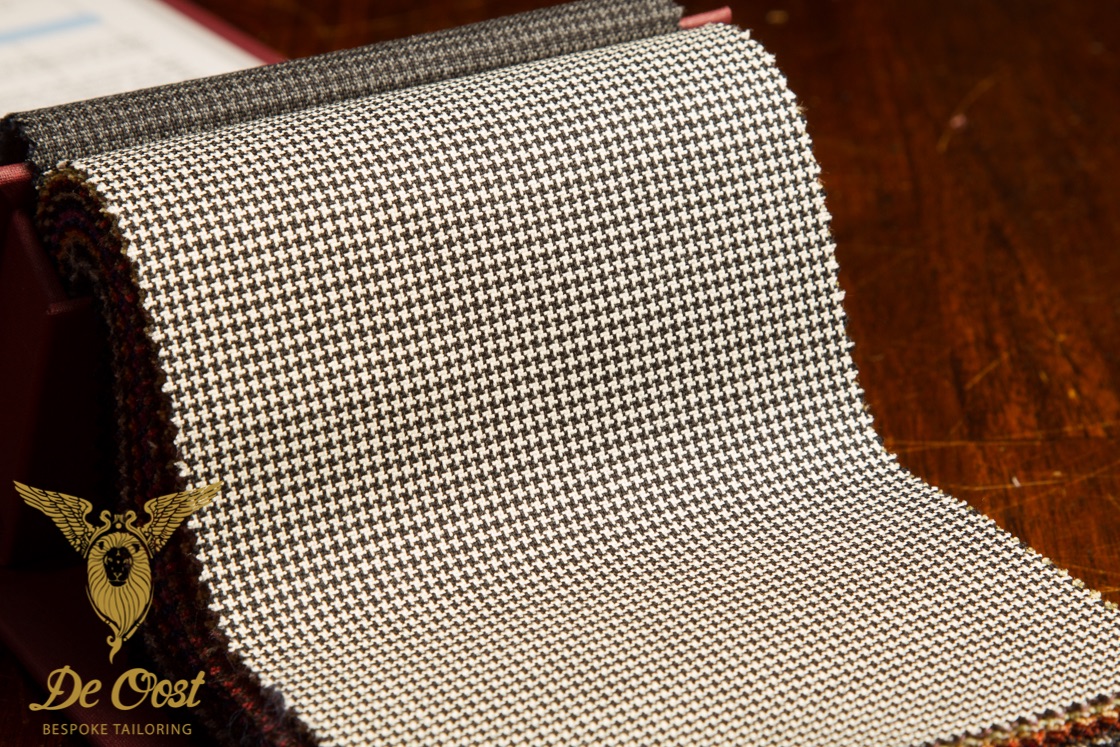
Yarns may be single, two fold, three fold or for special purposes many fold. Folded yarns are used instead of single yarns for many reasons; (a) add strength; (b) add weight; (c) give a special handle or appearance; and (d) produce fancy effects.

5. Special treatments


Yarns are sometimes subjected to special treatments in order to produce novelty effects, or to obtain a particular result. For instance, certain classes of worsted yarns are genapped, that is, they are made clean and smooth by being passed through a gas flame. Sometimes a surface heated to a white heat is used for removing the projecting fibre ends from the yarn. This is also known as singeing or gassing.

Woollen and worsted


It is common knowledge that wool is spun into two distinct types of yarns, worsted and woollen. The differences in these two yarns are mainly due to two factors; (1) the nature or class of wool used; and (2) the method of preparing.

3.jpg

The worsted yarn spinner uses wool fibres which have been combed and are of a certain length, that is, about 2 inches or more. Any wool which possesses the requisite length and strength is used by the spinner of worsted yarn. The woollen yarn spinner can use wool fibres which are quite short, this is, less than 2 inches, as well as longer fibres. In making tweeds or homespuns, the woollen yarn spinner uses longer wools. On the other hand, yarns composed of comparatively short fibres, from 2-4 inches, are used in the manufacture of fine botany (merino) worsteds. The length of fibre used is thus not the chief difference between the worsted and woollen yarn. The main difference between the two yarns is in the arrangement of the fibres in the yarn. It would be well for the reader to bear this last point in mind. It is the difference in the way the fibres are arranged in the yarn that makes all the difference.

How does this difference arise? Difference in preparation


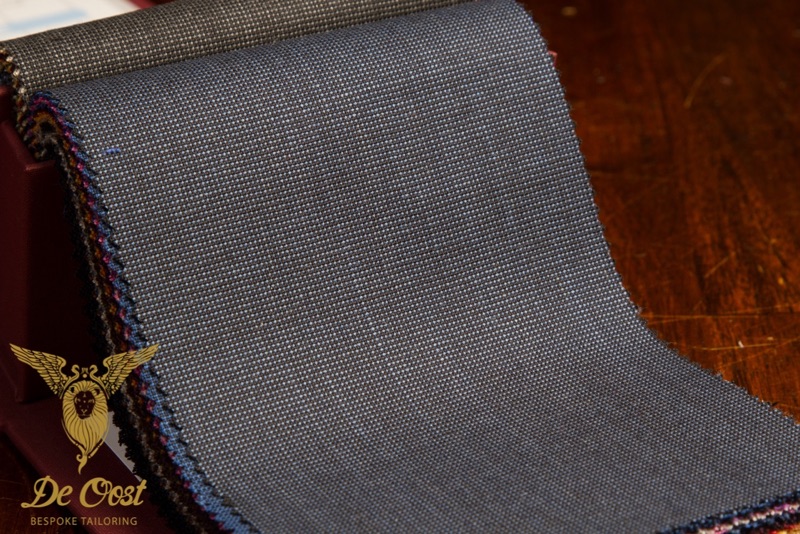
In the first place a woollen yarn is prepared differently from a worsted yarn. Wool fibres, which are required for worsteds, are first carded and then combed and re-combed until they lay parallel; also the short, unsound and broken fibres are removed by the combing machine. After repeated combings, the rope of fibres (known as a sliver) is gradually drawn thinner until it is of the required diameter; it is then tightly twisted, thus producing a smooth, regular and more or less lustrous yarn, the degree of lustre depending upon the type of wool used.

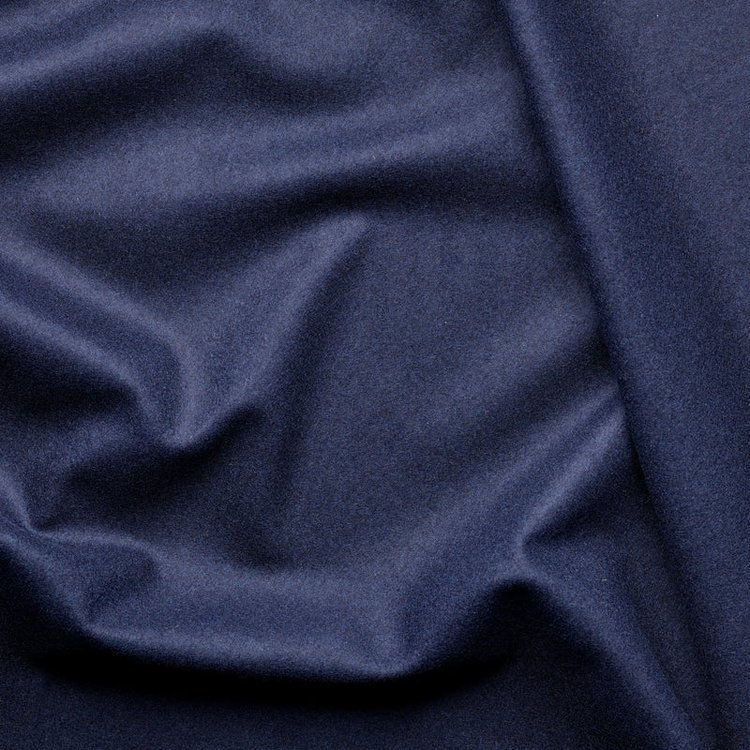
On the other hand, the fibres that become woollen yarns are not combed but carded. That is, the fibres are thoroughly separated from each other, and then they are mixed freely so that they cross and recross each other in all directions. Thus, in the woolen yarn there is an entangled arrangement of fibres. They are not combed straight as in worsted spinning. The woollen yarn possesses more loose fibre than the worsted, is rougher in appearance, and on its surface has numerous projecting fibre ends. Another point to note is that the woolen yarn is not twisted so tightly as a worsted yarn.

The loose structure of the woollen yarn assists the shrinkage and felting of the fabric, as the fibres which compose the woolen yarn are enabled to become entangled with each other. In the case of smooth worsted yarns there are few loose fibre ends, and in consequence there is little opportunity to mat or felt. The amount of twist or turns per inch put into a yarn has also its influence on the contracting properties of the cloth into which it is made.

A cloth made from loosely spun yarns will contract more in the milling and dying operations than a cloth constructed of tightly twisted yarns. There is also a difference in the shrinking properties of yarns according as to whether they are dyed or undyed, although spun from the same raw material. A coloured yarn has already shrunk in the dying process, and allowance must be made when weaving the cloth so that the correct finished width may be obtained.

4.jpg
5.jpg

How yarn structure affects finish


Let us consider another instance. Two cloths, one woollen and one worsted may be made from the same class of wool, and both may be identical in structure and put through the same finishing operations, yet in the finished state the two cloths will be quite distinct in appearance and handle. This difference is entirely due to the structure of the yarns used. Because woollen and worsted yarns are dissimilar in structure it is thus possible to produce wool fabrics strikingly different in appearance and handle.

Sources:
Huddersfield Cloth: A History of Cloth

Make an appointment
Discover more fabrics

Blog
Featured
Super 150s Fabric Explained

Super 150s: The Story Behind the Fabric

Why a Super 150s suit is not what you think - and how to make the right choice for your professional life

Laurens-Jan's Choice: Two Suits, Two Worlds

Laurens-Jan works at Optiver, one of the world's leading high-frequency trading and market making firms. In his role, everything revolves around client contact - meetings with institutional investors, dinners with traders, moments when millions of euros in decisions are made about futures and options.

In that world, trust is everything. And trust begins in those first three seconds when you enter a room.

"My clients work with the most sophisticated financial instruments. They expect precision, reliability, professionalism at the highest level. If I didn't look like I understand that, why would they trust me with their portfolio?"

But here comes the challenge: in the world of equities and futures trading, everything happens fast. Meetings follow one another. You jump from office to restaurant to client dinner. Your suit must perform without you constantly thinking about it. It must be ready for action, always.

"I can't think every morning about whether my suit is going to hold up today. It just has to work. Think of it like silverware - it should be of such quality that you simply use it, without worry, and it remains perfect for years."

That's why he didn't choose one suit, but two very different Super 150s suits. Luxury that is reliable. Softness and durability. The best of both worlds.

Read more →
The Loden Coat – A Timeless Garment of Heritage, Function and Character

What is a loden coat?

A loden coat is a long overcoat traditionally made from tightly woven and felted wool known as loden. Due to its specific finishing process, the fabric becomes naturally wind-resistant, water-repellent thanks to lanolin, and exceptionally durable. The cut is generous, allowing freedom of movement around the shoulders and back, often featuring a back pleat or cape-like shoulder construction. It is a coat born from function, not fashion, and that is precisely what gives the loden coat its understated, almost academic presence.

Origins and history of the loden coat

The loden coat originates from the Alpine regions of Austria and Southern Germany. Shepherds, hunters and landowners relied on this heavy wool coat to withstand rain, wind and cold. Later, it was adopted by the European hunting aristocracy and estate owners as part of their countryside attire during hunting weekends and outdoor gatherings.

From practical garment to discreet luxury

While other coats evolved towards decorative or fashionable expressions, the loden coat stayed true to its roots. Even when refined by noble tailoring houses, it retained its core values: function, material and silence. No shine, no theatrical details – just a coat made to work.

Read more →
Wool Linen Silk - Caccioppoli Spring Summer 2025

Caccioppoli’s New Spring and Summer Fabrics – Light Elegance from Naples for Warm Days

For those who wish to dress with care and style even during spring and summer, the choice of fabric is crucial. In these seasons, the balance in the wardrobe shifts: breathability, lightness, and comfort become more important—without compromising on appearance or refinement. It is precisely in that space that the new spring and summer fabric collection from Caccioppoli Napoli truly excels.

Read more →
Luxury Linen for the Modern Groom: The Perfect Choice for Your Summer Wedding

When planning a wedding, it’s all about finding the perfect balance between style and comfort. This applies not only to the venue and decor but certainly to your wedding suit. For spring or summer weddings, many grooms opt for light, breathable fabrics that are both elegant and comfortable. A popular choice here is linen or wool-linen-silk blends from leading Italian mills like Fratelli Tallia di Delfino.

Read more →
 Alfred Brown: A Century of Fabric Expertise
Alfred Brown: A Century of Fabric Expertise

We are proud to welcome Alfred Brown (Worsted Mills) Ltd to our collection of exclusive fabrics. This British brand is renowned for its exceptional quality and rich history, dating back to 1915. Discover why Alfred Brown is an essential choice for top-tier bespoke tailoring.

Read more →
Why Flannel is the Perfect Choice for Suits, Trousers, and Jackets

Flannel has regained immense popularity in recent years in the world of bespoke tailoring, whether for a suit, trousers, or a jacket. In the following blog post, we’ll explain why flannel is such a great choice.

Read more →
#1 guide to (bespoke) shirt fabrics

Lees dit artikel in het Nederlands

The types of shirting weaves used for bespoke shirts


Here we provide an overview of the different types of fabrics commonly used in bespoke tailored shirts for both man and woman. By understanding what the different weaves mean for a fabric you can be sure to find the ideal dress shirt fabric for your needs.

Read more →
Herringbone Suiting Fabrics and Cloth

Lees dit artikel in het Nederlands

What is Herringbone Cloth?

If you are looking for a proper business or city suit, think about having your garments tailored with the Herringbone fabrics available at De Oost. Then again if you are looking for a more heavy outdoor Tweed suit these are offered too in Herringbone. Technically Herringbone is not really a fabric, it is a method of weaving a fabric. Herringbone is a twill-weave with threads running alternately to left and right to form an inverted -V design that could be construed as the bones of a fish.

Read more →
Holland & Sherry Cape Horn Lightweight: Super 100’s High-Twist Worsted Suiting

Produced from Patagonian merino wool, this collection is a must-have for those who demand quality, performance and comfort from their fabric

A region of the South American continent, Patagonia is a sparsely populated area unspoilt by humankind. Its earthy and unpolluted environment provides nutritional vegetation and an abundance of fresh water for its native wildlife to thrive. It also provides the best grazing conditions for raising some of the world’s finest merino sheep.

Read more →
Why is a good lining important for a jacket /blazer?

A good lining is important for a jacket or blazer for several reasons:

Comfort: The lining helpsto prevent the outer fabric of the jacket or blazer from rubbing against the skin, which can cause irritation and discomfort. The lining can also provide an additional layer of insulation, keeping the wearer warm and comfortable. 

Durability: A good lining can help to prolong the life of a jacket or blazer by protecting the outer fabric from wear and tear. The lining can also prevent the fabric from stretching or losing its shape over time. 

Read more →
How to select the correct fabric for your bespoke suit or jacket?

Lees dit artikel in het Nederlands

Selecting the correct fabric for your suit or garment is an interesting activity and a big part of the whole experience of bespoke tailoring and having a clothes tailor made


When you ask yourself the right questions, it gets easier to make decisions in selecting the right fabric for you.

The list below has a number of pointers to have in consideration to decide the right direction you want to go and which points are important to you.

Read more →
Top 5 reasons to use British fabrics for suits and jackets?

There are several reasons why British fabrics are commonly used for suits and jackets:

  1. Quality: British fabrics are renowned for their quality and durability. They are often made using traditional methods, which can result in a superior product that lasts longer than cheaper, mass-produced fabrics.

  2. Heritage: The British textile industry has a long and proud history, dating back centuries. Many of the mills that produce British fabrics have been in operation for generations,

Read more →
Top 5 reasons to use Italian fabrics for suits and jackets?

There are several reasons why Italian fabrics are commonly used for suits and jackets:

  1. Style: Italian fabrics are known for their high style and fashion-forward designs. They are often used in high-end fashion and luxury brands and are favored by those who value cutting-edge fashion.

  2. Quality: Italian fabrics are often made using high-quality materials and manufacturing processes, resulting in a superior product that lasts longer than cheaper, mass-produced fabrics.

Read more →
The Striped Suit
The Striped Suit

Lees dit artikel in het Nederlands

The Striped Suit: A timeless classic


Of all men’s suitings, none has ever matched the glamour and popularity of the striped suit. At one time or another in the thirties, the striped suit probably graced every pair of male shoulders, from the humble to the most famous, from the unemployed to the chairman of the board.

Read more →
The Glen Plaid Suit
The Glen Plaid Suit

Lees dit artikel in het Nederlands

The Glen Plaid: more than just a check or pattern


While the Victorian era entertained tartans and the turn of the century hosted checks, it wasn’t until the 1920s that plaid clothing revolutionized the rules of urban style, following the English trend in which “country” began to impinge upon “town” in matters of male dress. Although some checks like the houndstooth enjoyed a distinguished career, none would become as enduringly stylish as the Glen Plaid.

Read more →
Crispaire by Holland & Sherry - 100% wool worsted suiting

Crispaire first made its debut over 30 years ago and is still very much in demand


Before the advancement of technical yarns and high-twist alternatives, Crispaire was one of the first qualities developed for the purpose of business travel. Its coarse yarn count, traditional plain weave structure and unrefined handle produce a cloth that is full bodied, durable and bounces back into shape effortlessly when crumpled.

Read more →
Airesco by Holland & Sherry 3 & 4 Ply wool worsted suitings

Airesco is a new collection of 3 and 4 ply fabrics woven from a plain weave construction and available in a variety of weights


The relationship between yarn and construction produces a unique fabric very different in character to most other fabrics in the Holland & Sherry collection, whilst the soft contrasting colours produce a palette of classic blues, traditional greys and contemporary reds, greens and aubergine.

Read more →
Holland and Sherry AIRESCO HS 2132 280-440gm 8.5-14oz

I got a bit excited after receiving word through the network that this is a new collection coming soon. Looks like another beauty to work with.

AIRESCO HS 2132 280-440gm 8.5-14oz by Holland and Sherry.

3 & 4 PLY WOOL WORSTED SUITINGS

Airesco is a new collection of 3 and 4 ply fabrics woven from a plain weave construction and available in a variety of weights.

Read more →
The Flannel Suit
The Flannel Suit

Up to recently Flannel was referred to as old fashioned, something your grandfather would wear


At this moment we see a complete revival of this full bodied cloth. The classic grey and blues for the business occasions and classic jacket and the more dashing designs for waistcoats and suits for winter weddings

Read more →
What are popular linings for suits and jackets?

Linings are one of the ingredients in regards of performance and style that can really influence both


Think temperature, drape and touch when wearing your jacket. With the right color and style between suiting and lining a personality is added. Skulls are very popular, don’t ask me why.

Read more →
What is Bouclé fabric?

The classic bouclé (boo-clay) jacket was popularized by the iconic French fashion designer Coco Chanel decades ago, and the look is still on-trend today.

Though the term has become synonymous with the elegance of a classic wool jacket, "bouclé" actually refers to material made with boucle yarn and not a specific type of garment as some people think.

Read more →
Drago fabrics Biella Italy: an in depth look at the new collections for bespoke tailoring

Nowadays so called Made in Italy fabrics are available everywhere. But what is actually a true and really valuable fabric to have your suit or jackets tailored the bespoke way? Earlier this year we got a visit from Amadeo from Drago presenting his new collections.

Read more →
Suiting Fabrics and Cloth: Weaves and Designs: Tweed and Harris Tweed

Tweed is the generic name for a very wide variety of stubbly coarse woollen cloths


Typically of multi coloured carded yarns and twill construction. Tweed clothing is a popular form of leisure wear, it can be tailored into suits or coats used for hunting, coursing or other equestrian and outdoor activities. In a lighter weight, tweed is also used for dresses. Tweeds are an icon of traditional Irish and British country clothing, being desirable for informal outerwear, due to the material being moisture-resistant and durable, are commonly worn for outdoor activities such as shooting and hunting, in both Ireland and the United Kingdom.

Read more →
Suiting Fabrics and Cloth: The Weaves and Designs: Pinhead

Pinhead, also known as pin-dot or nailhead is similar to the birdseye pattern, but smaller


It is a worsted wool suiting with a twill weave covered with small dots, that look like they have been hammered in with nails or pins. It has the appearance of tiny white or light coloured dots appearing in rows both vertically and horizontally. The fabric can hold a sharp crease, which makes it exceptionally well wearable, but also a good fabric to work with for the tailoring process. It is inclined to shine with wear.

Read more →
About Huddersfield; A history of British Wool and Cloth

The West Yorkshire town of Huddersfield is situated at the convergence of the rivers Colne and Holme. Inhabitants of these river valleys discovered that the water – which flows from the Millstone Grit Pennine hills – gave excellent results for the washing of raw wool.

And so the wool textile industry was born. The industry was traditionally cottage based, with spinning and weaving often taking place in the same dwelling. Many of the workers operated from smallholdings, supplementing their income with the manufacturing of wool textiles. The finished cloth they produced was then sold through merchants who regularly attended the town’s Cloth Hall.

Read more →
How to choose the proper cloth for your suit?

When having a suit or actually whatever garment tailored, the cloth – fabric – material will have a great effect on many parts

So proper preparation literally protects from ‘piss-poor’ performance, assuming that you want the garment to add value to your appearance. But where to start if you never picked a cloth from a swatch book called a bunch?

Then first look, or ask us, what cloth has those properties? It could be for example Cashmere. Okay, that is 1 step. So step 2 is to have a look and feel at such a cloth. For our Amsterdam based clients it is most convenient to just visit us or make an appointment. No obligations if you need further advice/guidance.

Read more →
Morning Stripe Suiting Fabrics and Cloth

In this series on the diverse examples of suiting fabrics, weaves and their designs, we have already discussed the Chalk-, Pin- and Pin Dot Stripe, but the Morning Stripe on which we will elaborate now, is such a special design on its own we had to write a separate blog to give as much reference.

Read more →
How to choose a (bespoke) business suit or jacket?

A guide on how to choose a business suit


"You never get a second chance to make a first impression". It's an old adage because it is undeniably true. It is therefore imperative that to succeed in business it makes sense to wear great looking business suits.

Read more →
A guide to summer suits

As the Dutch say: “The summer is standing in front of the door”. Summer is coming. But, how do you dress sharply for the office, a wedding or any other social event during the hot summer season? What should you look for in order to appear stylish, professional and appropriate during the summer?

What to look for in a summer suit
The most important features in a summer suit are the fabric and weave, the construction of the jacket and the color of the suit.

Read more →
Whipcord Suiting Fabrics and Cloth

Whipcord cloth is very much like gabardine, but the yarn is bulkier and much more pronounced


It is very durable, rugged and stands hard usage and wear. In time, it shines a bit with wear. Some times the back is napped for warmth. It is called whipcord because it simulates the lash of a whip. Whipcord is often used for topcoats, uniform cloths, suitings, equestrian and other sportswear.

Read more →
In Fabrics Tags wool, worsted
← Elements of a bespoke suit: The cut, the single or double breasted, the buttons and the lapelThe Navy Suit →
Summary Block
This block is invalid. Please check the block settings and try again.
Featured
Aenean eu leo Quam
Aenean eu leo Quam

Quisque iaculis facilisis lacinia. Mauris euismod pellentesque tellus sit amet mollis.

Read more →

The Dress Conscious Quarterly

Join 18,000+ style-conscious individuals and receive insights on fabrics, bespoke tailoring and the how & why of our craft from our tailoring experts.

As a subscriber, you also have the opportunity for a free bespoke style consultation of 30 minutes, in which we translate our knowledge to your body, intended use and personal style. No obligations.

Thank you for your registration.

We will update you every quarter with information and inspiration.

Feel free to let us know what subjects interest you.

Kind regards,

Jean-Paul Samson

De Oost Bespoke Tailoring - Bilderdijkstraat 179H - Amsterdam - T. 0031-20-6815792 - E. deoost@deoost.nl - Whatsapp: 0031-641507780

Opening Hours by appointment:

Tuesday / Friday 10:30 - 20:00
Saturday 09:30 - 18:00

Easy to reach by public traffic: Tram 3, 7,en 17.
Car parking possible in the street and various garages within walking distance.

Copyright De Oost Bespoke Tailoring BV 2026